Understanding Local Landscaping Regulations in Oklahoma City


Introduction to Landscaping Regulations
Understanding local landscaping regulations is crucial for homeowners and businesses in Oklahoma City. These rules are designed to maintain the city's aesthetic appeal, protect the environment, and ensure public safety. Whether you're planning a new garden, installing a water feature, or simply enhancing your curb appeal, staying informed about these regulations can save you time and money.

Key Regulations to Consider
Zoning Laws
Zoning laws play a significant role in determining what you can and cannot do with your landscaping. Different zones have specific requirements regarding the types of plants you can use, the structures you can build, and the overall design of your landscape. It's important to review these laws before starting any project.
Permits and Approvals
In many cases, you may need to obtain permits before beginning your landscaping work. This is particularly true for projects that involve significant changes to the land, such as altering drainage systems or building retaining walls. Check with the Oklahoma City Planning Department to see if your project requires a permit.

Environmental Considerations
Water Conservation
Oklahoma City's climate makes water conservation a top priority. Regulations often encourage the use of drought-resistant plants and efficient irrigation systems. By incorporating these elements into your design, you not only comply with local laws but also contribute to sustainable water use.
Native Plants
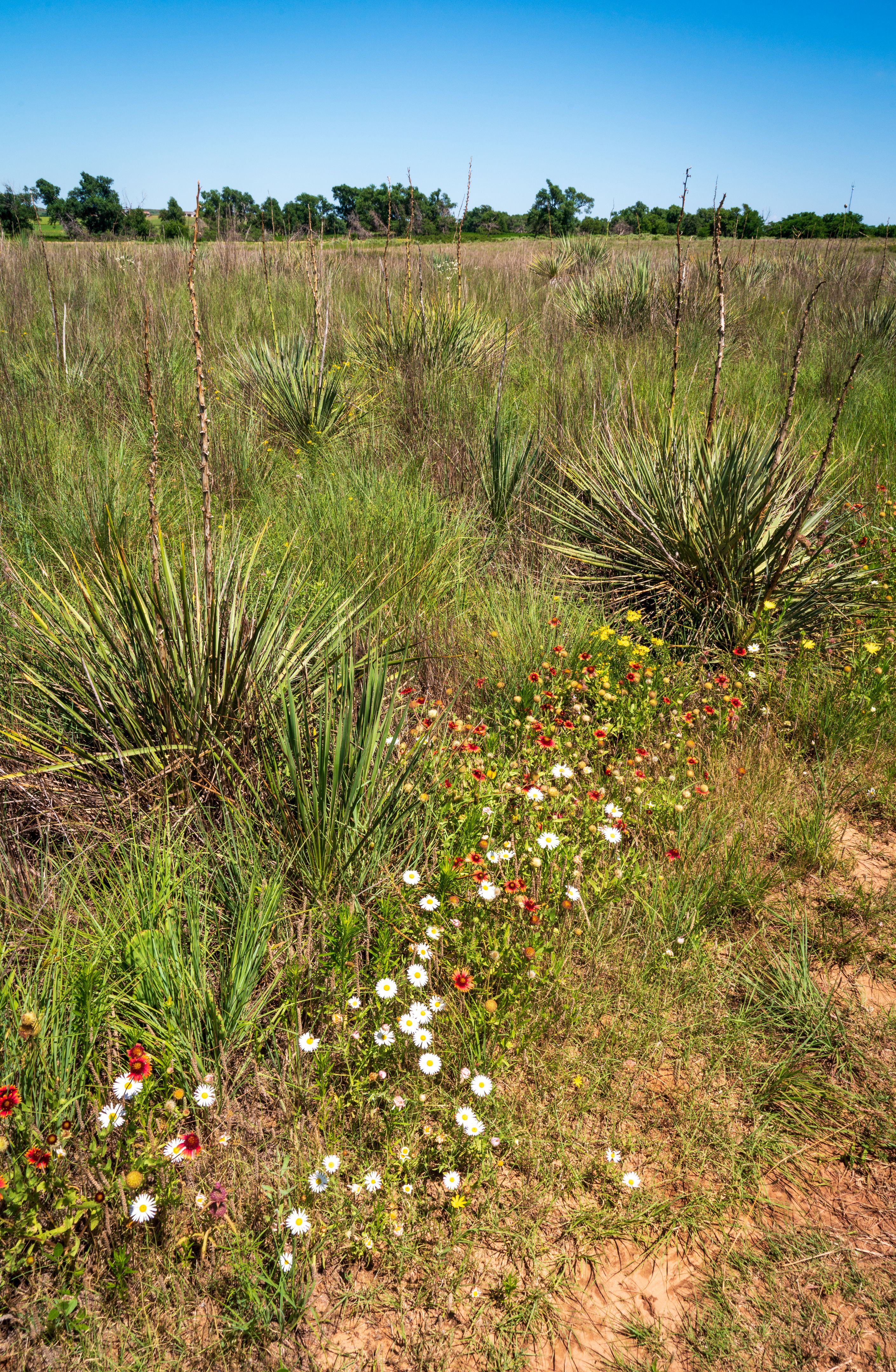
Using native plants in your landscaping can be beneficial for both the environment and your garden's health. These plants are adapted to the local climate and soil conditions, requiring less water and maintenance. Regulations may favor or even mandate the use of native species in certain areas.
Community and Aesthetic Guidelines
Neighborhood Covenants
In addition to city regulations, many neighborhoods have their own covenants and guidelines. These rules can dictate everything from the height of your hedges to the color of your mulch. Understanding and adhering to these guidelines can prevent disputes with neighbors and ensure a harmonious community appearance.
Public Safety
Landscaping can impact public safety, particularly when it comes to visibility and access. Regulations may require that plants and structures do not obstruct sidewalks, driveways, or intersections. Keeping safety in mind when planning your landscape can prevent potential hazards.

Conclusion
Staying informed about local landscaping regulations in Oklahoma City is essential for any successful project. By understanding zoning laws, obtaining necessary permits, and considering environmental and community guidelines, you can create a beautiful and compliant landscape that enhances your property's value and contributes to the city's overall appeal.