Transform Your Outdoor Space: Expert Landscape Design Tips


Understanding Your Space
Before diving into landscaping, it's essential to understand your outdoor space. Analyze how much sunlight different areas receive, consider the soil type, and observe the existing plant life. This foundational knowledge will guide your design decisions and ensure your plants thrive.

Defining Your Vision
Think about how you want to use your outdoor space. Do you envision a tranquil retreat, a vibrant entertaining area, or a lush garden? Defining your vision will help you make informed choices about plants, furniture, and features that align with your goals.
Choosing the Right Plants
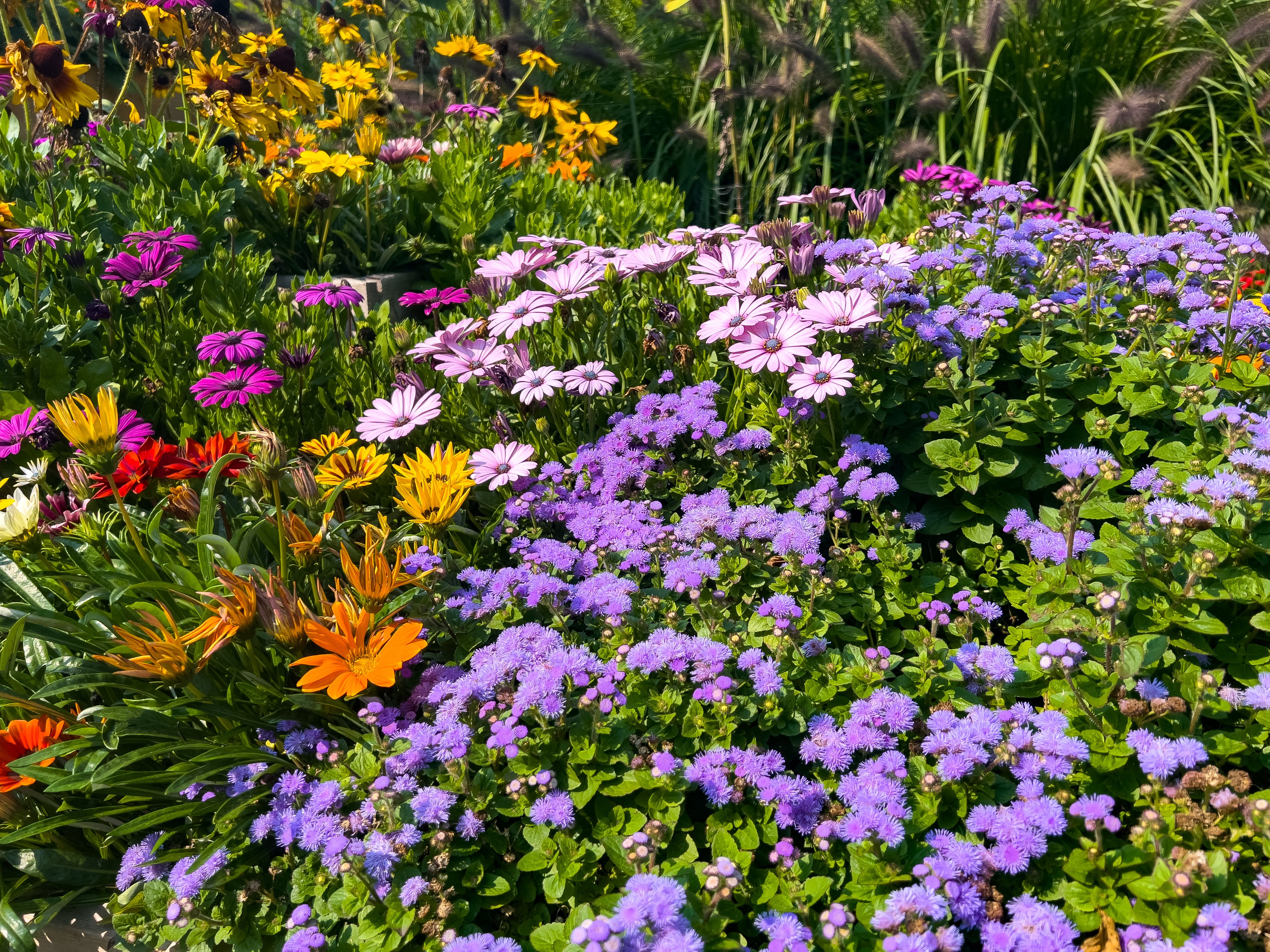
Plants form the backbone of any landscape design. Choose varieties that suit your climate and soil conditions. Consider a mix of perennials, annuals, shrubs, and trees to create a dynamic and visually appealing landscape. Native plants are often a low-maintenance and eco-friendly choice.
Creating Functional Zones
Design your outdoor area by creating distinct zones for different activities. You might have a dining area, a play zone for kids, and a quiet spot for reading. Use pathways, hedges, or decorative fencing to delineate these spaces, ensuring each area serves a specific purpose.
Incorporating Water Features
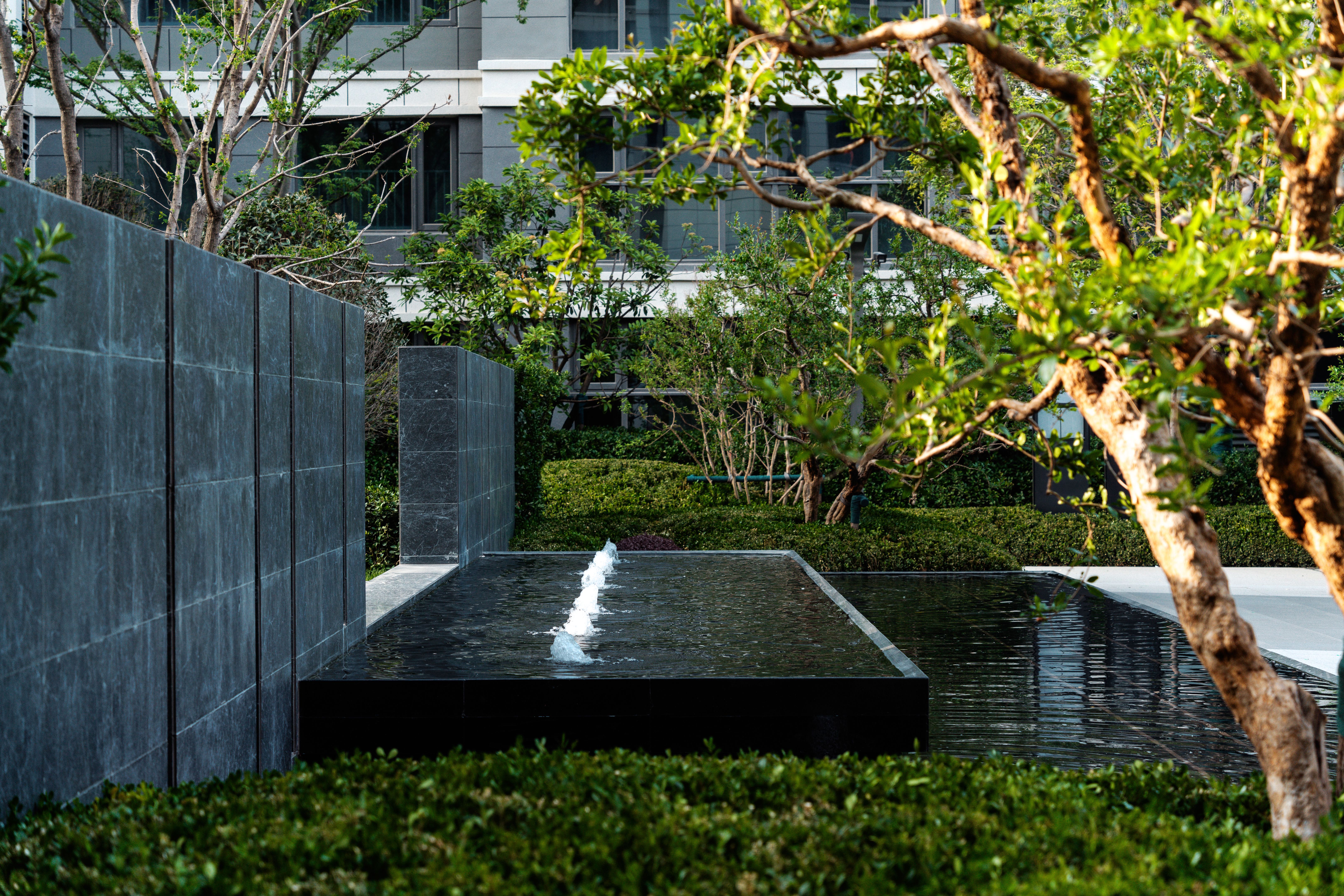
Water features can add a soothing element to your landscape. Consider installing a small pond, a cascading waterfall, or a simple birdbath. These features not only enhance aesthetics but also attract wildlife, adding life and movement to your garden.
Lighting Your Landscape
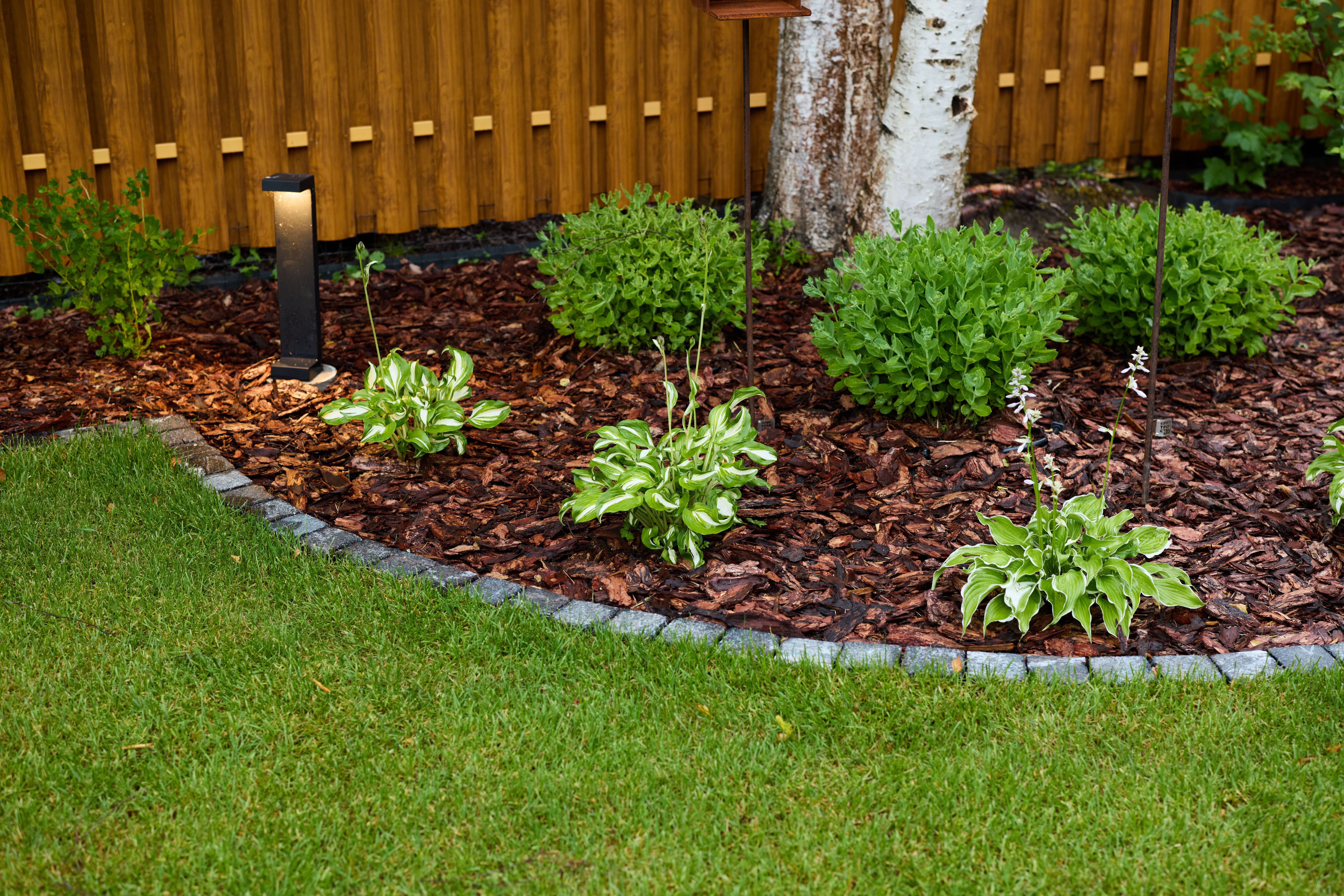
Outdoor lighting extends the usability of your space into the evening and highlights key features. Use a combination of pathway lights, spotlights, and string lights to create ambiance. Well-placed lighting can make your landscape look magical and inviting after dark.
Maintaining Your Design
Regular maintenance is key to keeping your landscape looking its best. This includes watering, pruning, weeding, and fertilizing. Set up a maintenance schedule to ensure your plants stay healthy and your space remains tidy. Consider hiring professional help if needed.
Using Sustainable Practices
Adopt sustainable landscaping practices to reduce your environmental impact. This might include using rain barrels for irrigation, composting organic waste, and choosing drought-resistant plants. Sustainable practices not only benefit the environment but can also save you time and resources.
Seeking Professional Help
If designing your landscape feels overwhelming, consider consulting with a professional landscape designer. They can provide expert insights, suggest innovative ideas, and help you bring your vision to life. Professionals can also ensure that all elements of your design are cohesive and functional.