Preparing Your Landscape for Winter: Expert Tips and Insights


As the crisp autumn air begins to settle in, it's time to start thinking about preparing your landscape for the upcoming winter months. Proper preparation can ensure that your garden and outdoor spaces remain healthy and vibrant when spring arrives. In this post, we'll explore expert tips and insights to help you get your landscape ready for winter.
Assessing Your Landscape
The first step in preparing your landscape is to assess the current state of your garden. Take a walk around your property and make note of any plants or areas that may need special attention. Look for signs of disease, damage, or stress that could be exacerbated by harsh winter conditions.
Identify plants that are sensitive to cold and may require extra protection. This includes tropical plants, young trees, or any species not native to your climate. Understanding what needs extra care will help you prioritize your efforts.

Pruning and Mulching
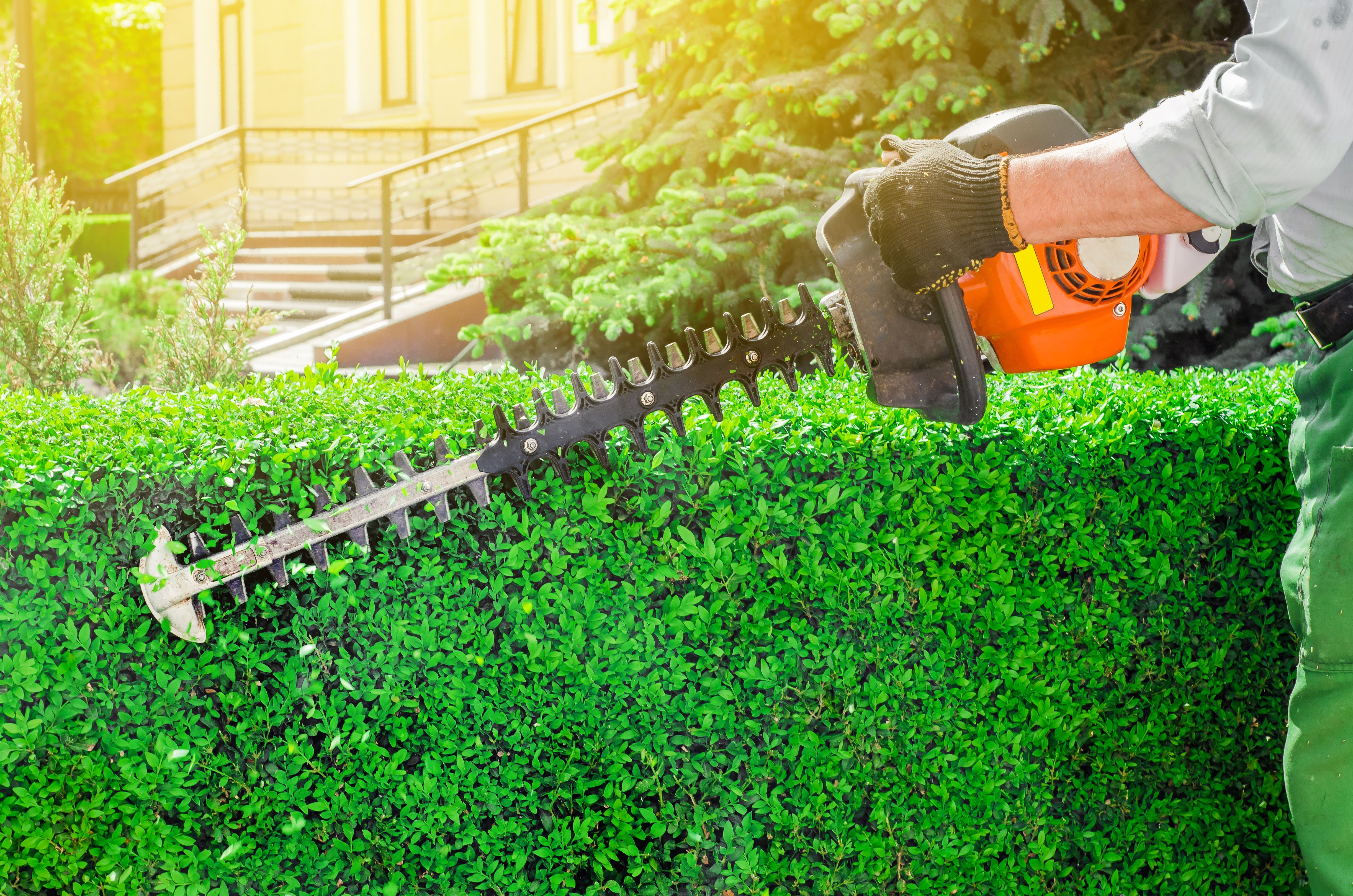
Pruning is an essential task to help your plants survive winter. Trim dead or diseased branches to prevent them from breaking under the weight of snow or ice. Focus on shaping shrubs and trees to encourage healthy growth in the spring.
Applying a layer of mulch around the base of plants can provide insulation against the cold. Mulch helps to regulate soil temperature and retain moisture, protecting roots from freezing. Use organic mulch like wood chips or straw for the best results.
Protecting Sensitive Plants
For plants that are particularly vulnerable to freezing temperatures, consider using burlap wraps or frost blankets. These materials can provide an extra layer of warmth and protection against wind burn.
Container plants can be moved indoors or to a sheltered location. If indoor space is limited, group pots together against a wall for added warmth and cover them with frost cloths on particularly cold nights.

Lawn Care and Maintenance
Your lawn also requires attention as winter approaches. Rake up fallen leaves to prevent them from smothering the grass and creating a breeding ground for pests and diseases. Aerate the soil to improve drainage and reduce compaction, which can be particularly beneficial in heavy clay soils.
Consider applying a winterizing fertilizer. These fertilizers are high in potassium, which strengthens grass roots and helps them withstand cold temperatures.
Watering Strategies
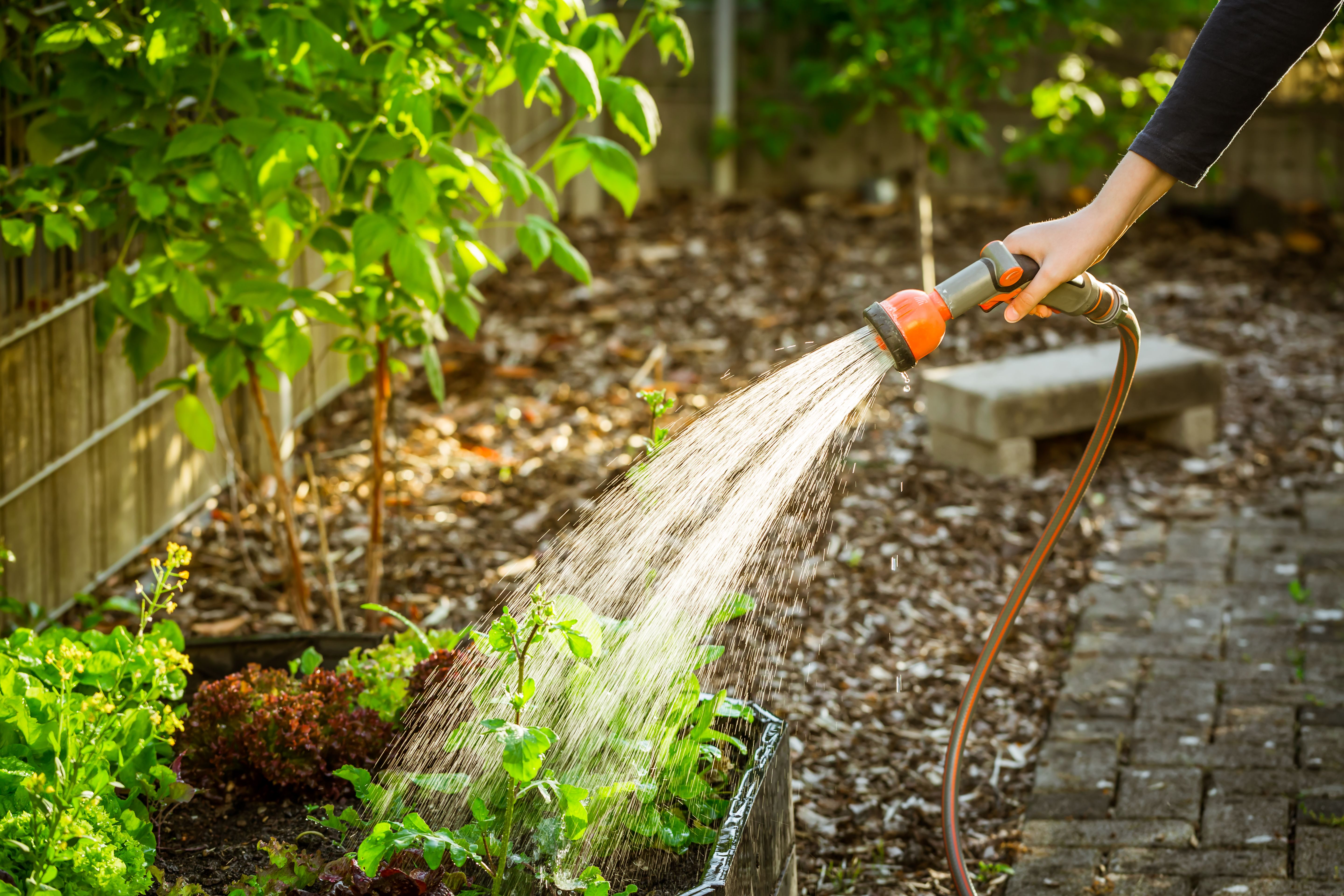
Proper watering is crucial as you prepare for winter. Ensure that your plants are well-watered before the ground freezes, as dry roots are more susceptible to cold damage. However, avoid overwatering, as this can lead to root rot.
Drain irrigation systems and hoses to prevent freezing and cracking. Store hoses in a sheltered area to prolong their lifespan.
Final Touches
Take the time to clean and store gardening tools properly. A little maintenance now can prevent rust and damage, keeping your tools in good condition for the next growing season. Clean out garden beds, removing spent plants and debris to reduce the chance of pests overwintering in your garden.
By following these expert tips, you can ensure that your landscape is well-prepared for winter. With a little effort, your garden will be ready to burst into life when spring returns, providing you with another season of beauty and enjoyment.