Preparing Your Garden for Spring: Essential Landscaping Tips


Assess Your Garden's Needs
As the chill of winter fades away, it's time to turn your attention to your garden. The first step in preparing for spring is to assess the current state of your garden. Look for any signs of damage caused by winter weather, such as broken branches or frostbitten plants. Understanding these needs will help you prioritize your tasks and create a plan for the coming months.
Consider the layout and structure of your garden. Think about what worked well last year and what areas could use improvement. This reflection will guide your landscaping efforts and help you achieve a more vibrant garden.
Clean Up and Prune
Once you've assessed your garden, it's time to roll up your sleeves and start cleaning. Remove any debris, dead leaves, and weeds that have accumulated over the winter. This will not only improve the appearance of your garden but also prevent pests and diseases from taking hold.
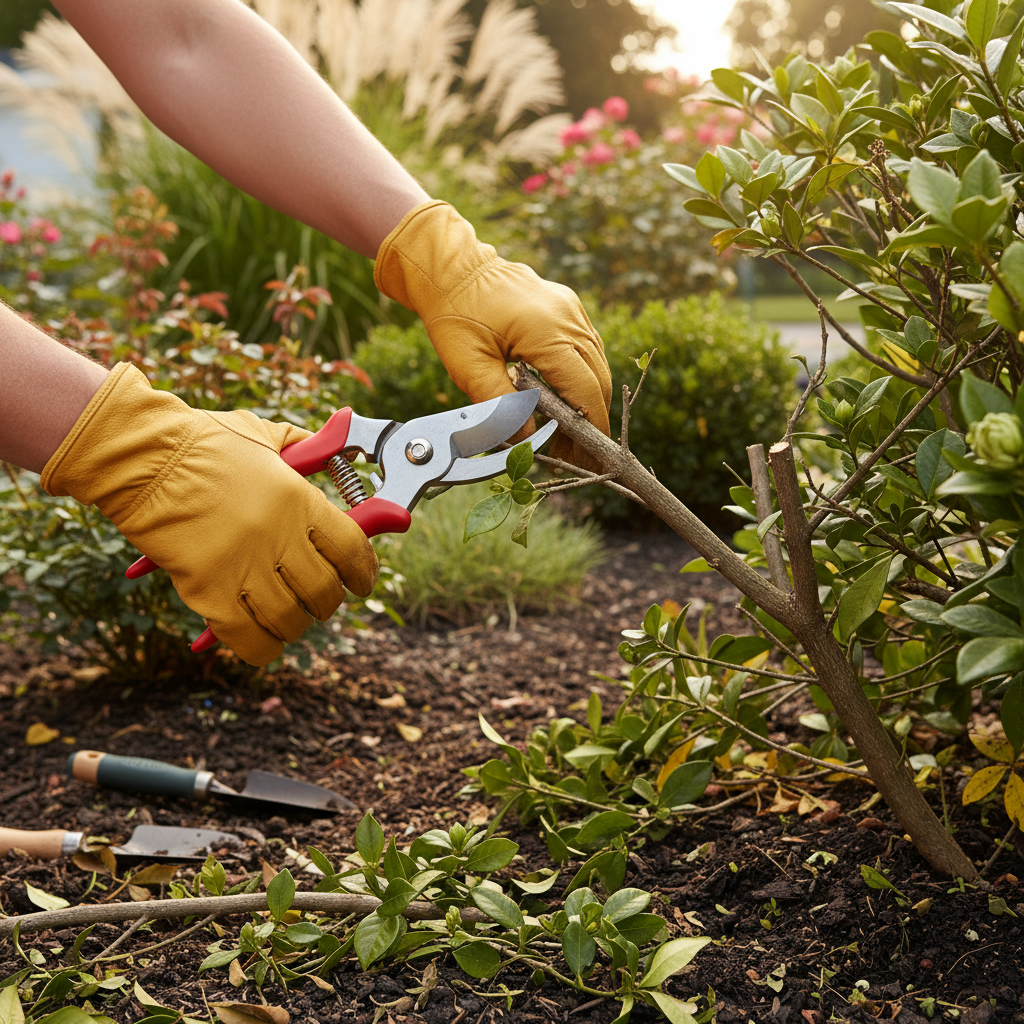
Pruning is another essential task during this stage. Trim back overgrown shrubs and trees to encourage healthy growth. Focus on removing dead or damaged branches to make room for new life. Proper pruning can make a significant difference in the health and appearance of your plants.
Enrich the Soil
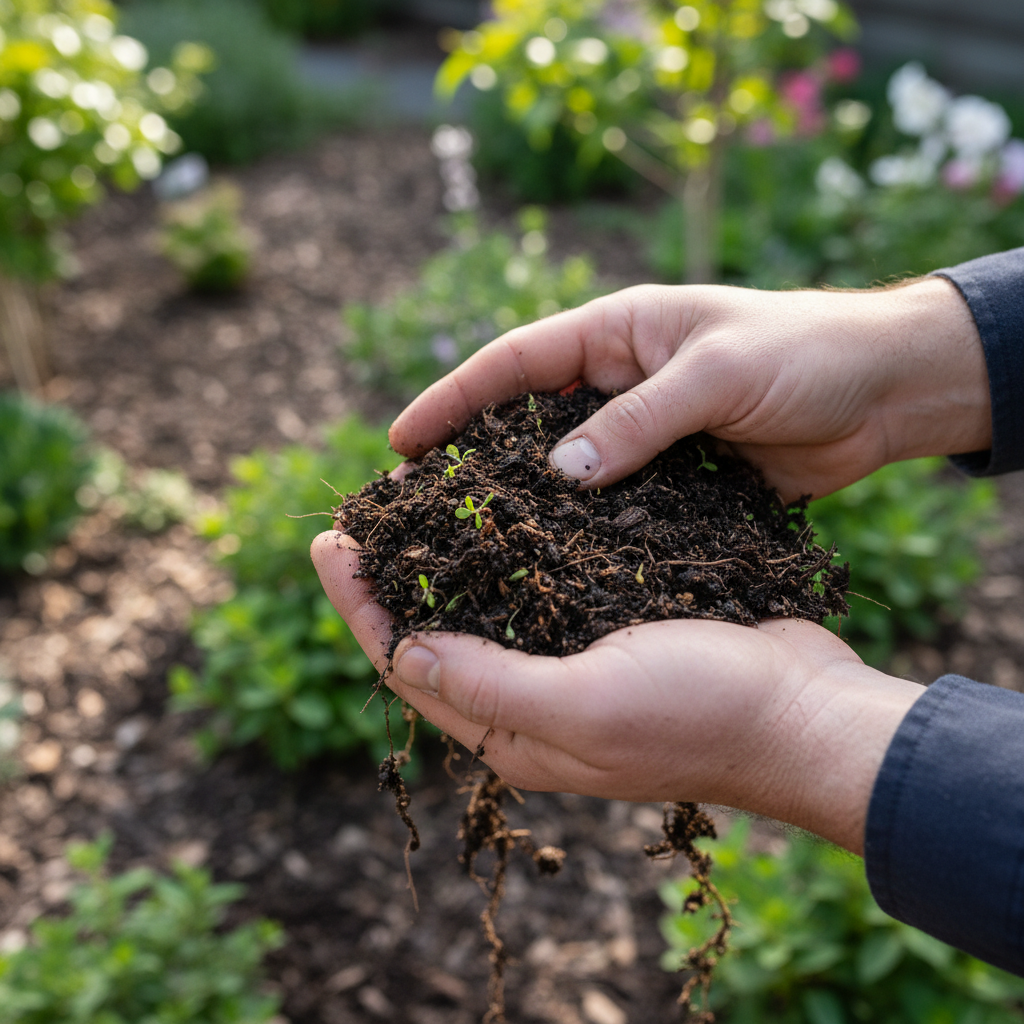
After cleaning and pruning, it's vital to enrich your soil to support healthy plant growth. Start by testing your soil to determine its pH level and nutrient content. Based on the results, you can add the necessary amendments, such as compost, manure, or specific fertilizers, to enhance soil quality.
Consider adding a layer of mulch to retain moisture and suppress weeds. Mulching not only improves the aesthetics of your garden but also provides essential nutrients as it breaks down over time.
Plan Your Planting
With the groundwork laid, it's time to plan your planting. Think about the plants you want to introduce or expand upon this spring. Consider factors such as sunlight, water needs, and compatibility with existing plants. Carefully planning your garden will ensure a harmonious and thriving landscape.
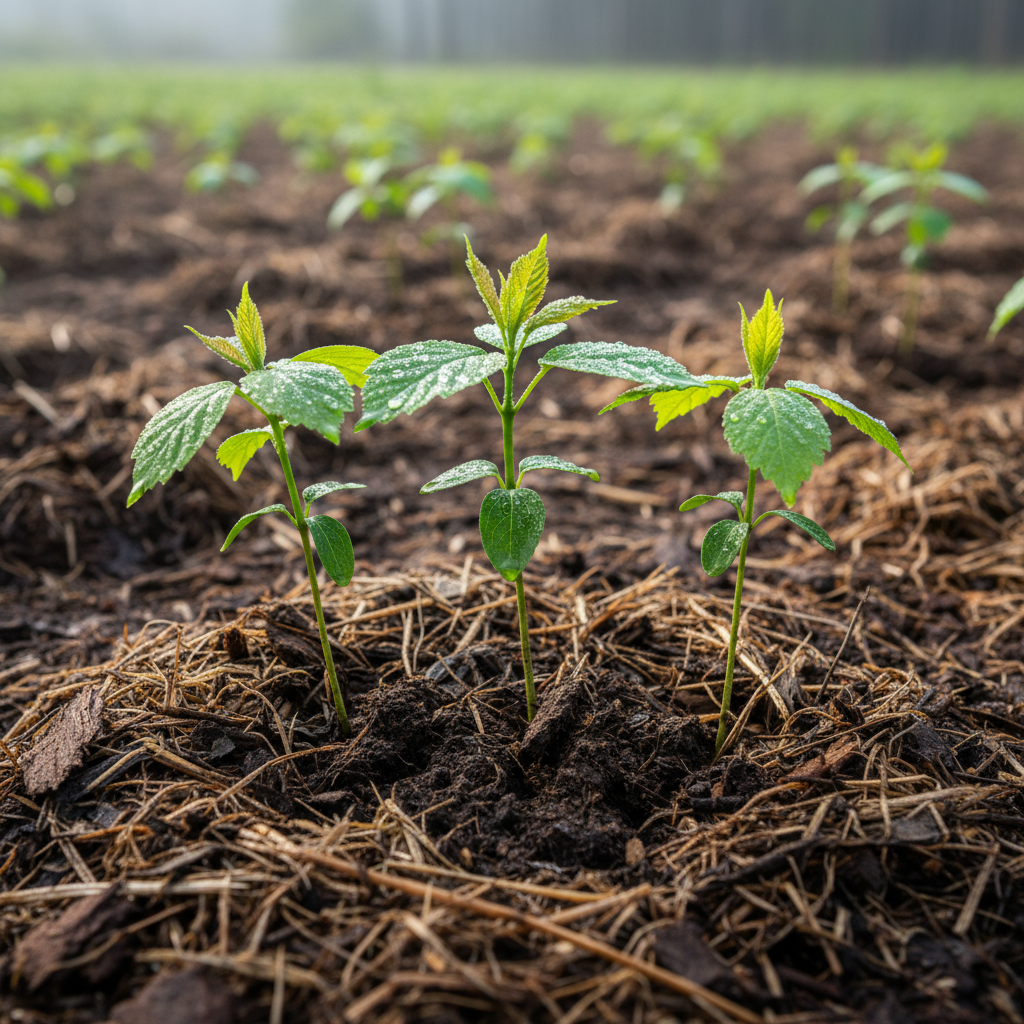
Create a planting calendar to keep track of when to sow seeds or transplant seedlings. This will help you stay organized and ensure that you don't miss any crucial planting windows.
Install or Repair Hardscaping
Spring is also an excellent time to focus on hardscaping elements in your garden. Check for any repairs needed on pathways, fences, or retaining walls. Addressing these issues early will help prevent further damage and maintain the overall structure of your garden.
If you plan to add new hardscaping features, such as a patio or garden bed, spring is an ideal time to do so. These elements not only enhance your garden's beauty but also provide functional spaces for relaxation and entertainment.

Watering and Irrigation
As temperatures rise, your garden's watering needs will increase. Check your irrigation system to ensure it's functioning correctly. Clean out any clogged nozzles and repair leaks to ensure efficient water distribution.
Consider implementing a rainwater harvesting system to conserve water and reduce your environmental footprint. This sustainable practice can provide a valuable water source during dry spells.
Create a Wildlife-Friendly Environment
Finally, consider making your garden a welcoming space for local wildlife. Plant native flowers and shrubs to attract pollinators like bees and butterflies. Providing a birdbath or small water feature can also attract birds and other beneficial creatures.
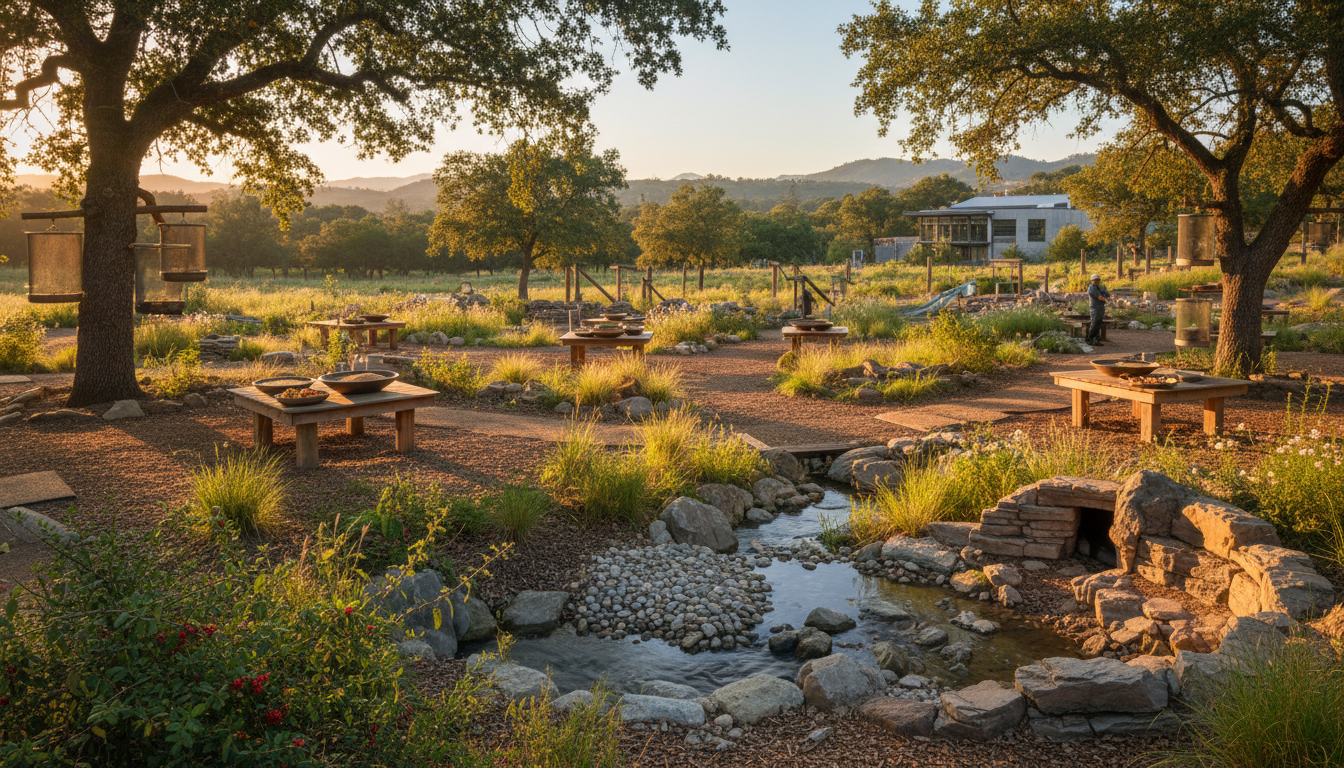
By creating a wildlife-friendly environment, you'll not only enhance the beauty of your garden but also contribute to local biodiversity and ecological health.