Myth-Busting: Common Misconceptions About Tree Trimming


Tree trimming is a crucial part of maintaining the health and aesthetics of your landscape, yet it's often surrounded by myths and misconceptions. In this post, we’ll tackle some of the most common myths about tree trimming and set the record straight.
Myth 1: Tree Trimming is Only for Aesthetic Purposes
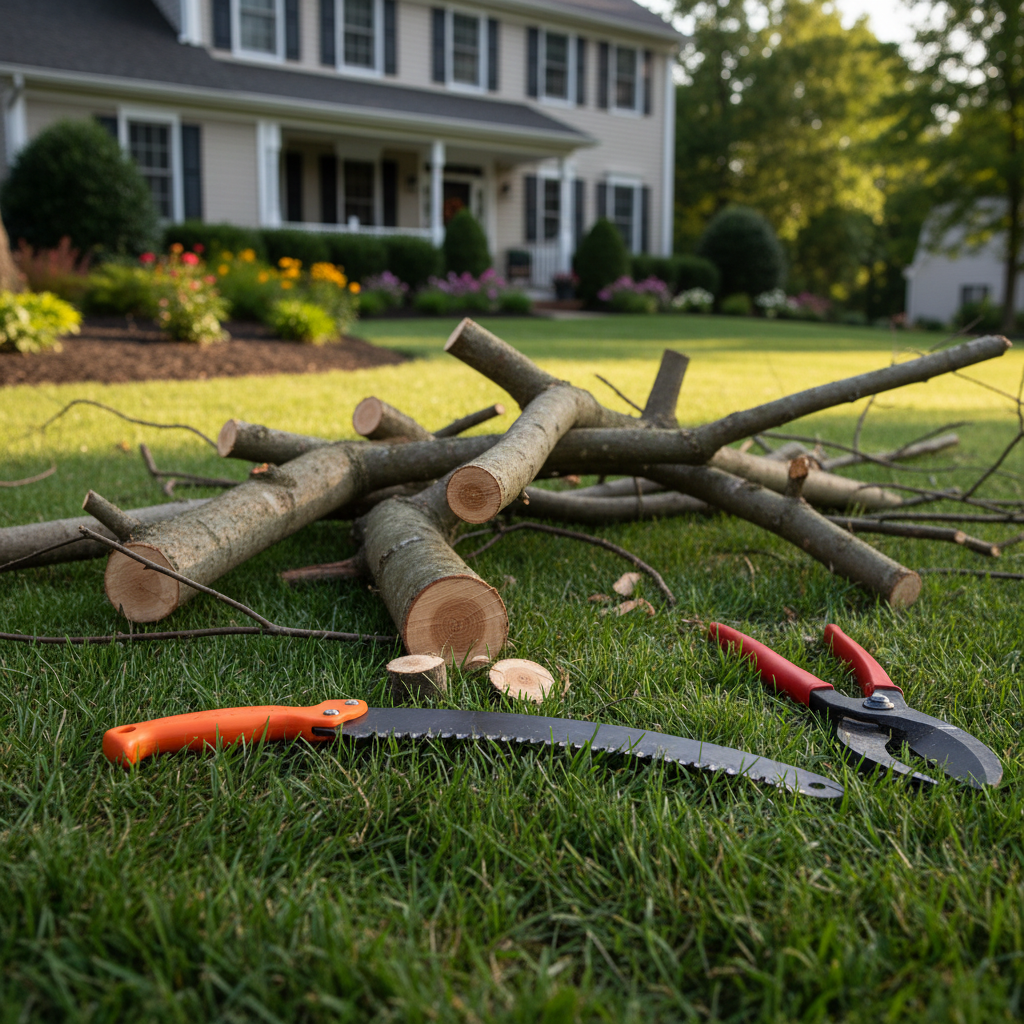
While it's true that trimming can enhance the appearance of your trees, its benefits extend far beyond aesthetics. Proper trimming can improve tree health, remove dead or diseased branches, and encourage new growth. Healthy trees are more resilient to pests and diseases, making regular trimming an essential part of tree care.
Why Health Trimming Matters
Trimming encourages the tree to grow stronger branches, promoting a robust and healthy structure. This is particularly important in areas prone to storms, where weak branches can pose significant risks. By removing deadwood and thinning the crown, you also improve air circulation and sunlight penetration, further supporting tree health.
Myth 2: Any Time of Year is Suitable for Trimming
Another common misconception is that trees can be trimmed at any time. In reality, the timing of trimming can significantly affect the tree’s health. Most trees benefit from being trimmed during their dormant season, typically in late winter, before new growth starts.
The Best Time for Trimming
Trimming during dormancy minimizes sap loss and reduces the risk of pest infestation. However, there are exceptions, such as flowering trees, which may require post-bloom trimming. Understanding your specific tree species and their growth cycles is crucial for effective trimming.
Myth 3: Topping is a Good Way to Control Tree Height
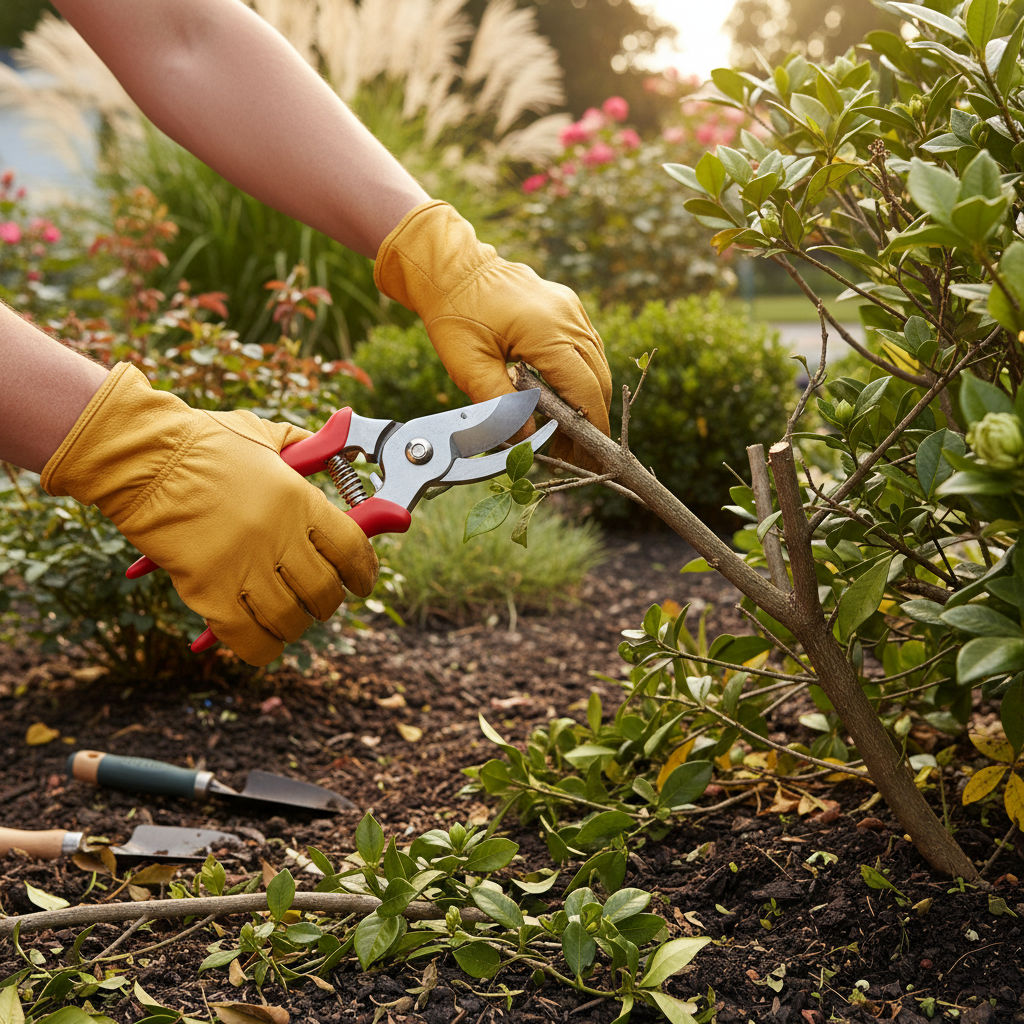
Topping, the practice of cutting back the main branches to stubs, is often misunderstood as a way to control a tree's height. In reality, topping can severely damage a tree and lead to long-term health issues.
The Dangers of Topping
Topping causes stress by removing a large portion of the leaf-bearing crown, which can lead to decay, insect invasion, and disease. Instead, consider crown reduction techniques conducted by professional arborists, which are healthier alternatives for maintaining tree size.
Myth 4: You Don't Need a Professional for Tree Trimming
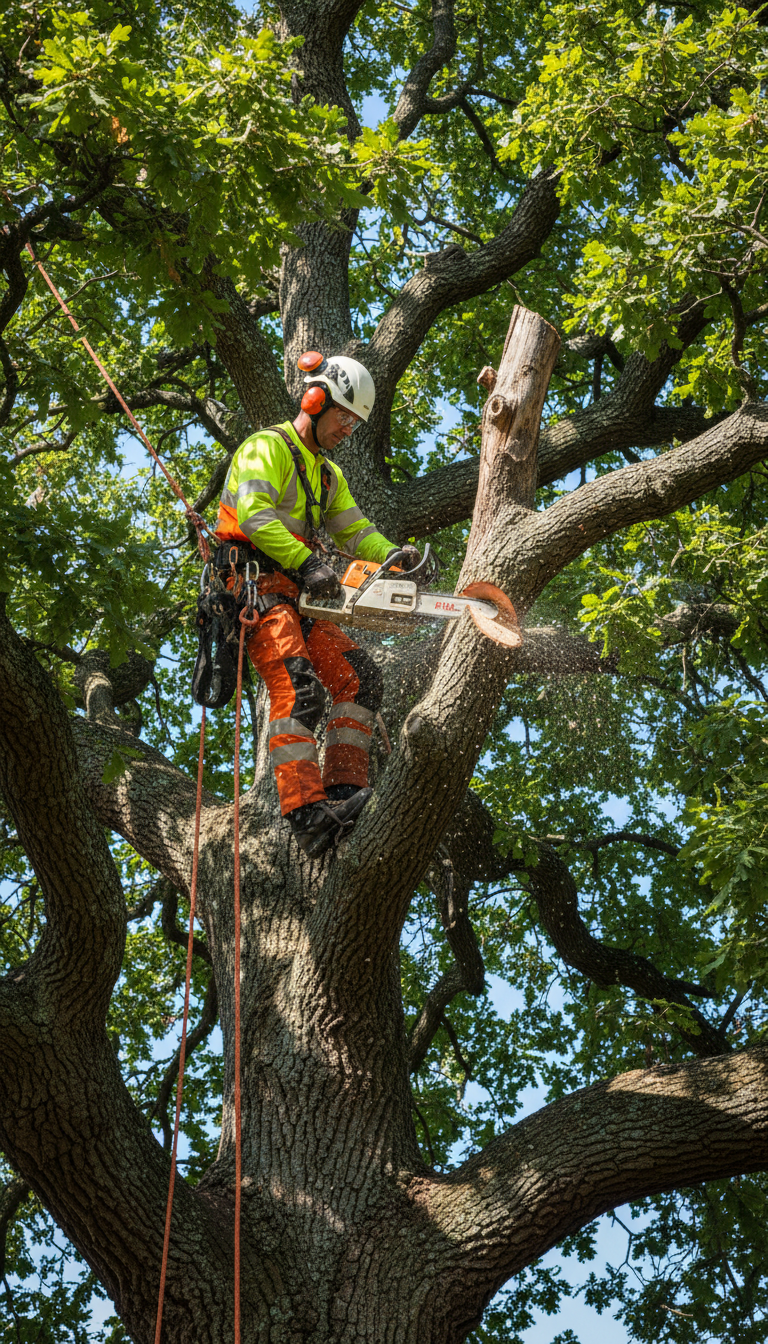
Many homeowners believe they can handle tree trimming on their own, but this task often requires professional expertise. Trained arborists have the knowledge and equipment to safely and effectively trim trees without causing harm.
Benefits of Hiring Professionals
Professionals can identify structural issues, diagnose diseases, and determine the best trimming techniques for your specific trees. Hiring an expert not only ensures safety but also helps prolong the life of your trees.
Understanding these myths and the realities of tree trimming can help you make informed decisions about your landscape. Regular, professional trimming supports the health and longevity of your trees, ensuring they continue to thrive for years to come.