How to Identify and Remove Hazardous Trees: Expert Advice from OKC Pros


Understanding Hazardous Trees
Identifying hazardous trees is crucial for maintaining a safe environment around your property. Trees can become dangerous due to disease, structural issues, or environmental factors. Knowing what to look for can help you prevent accidents and protect your home.
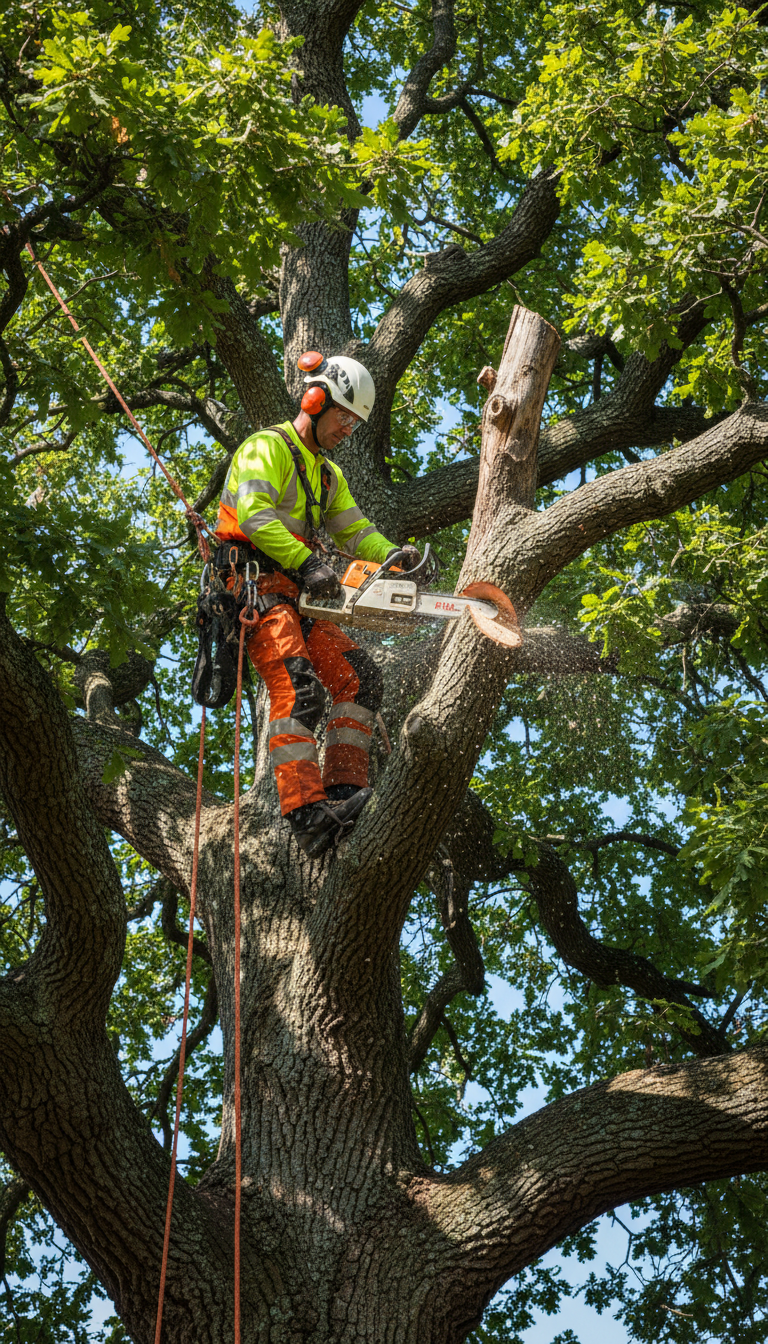
Signs of a Hazardous Tree
There are several indicators that a tree may pose a risk. Here are some common signs:
- Leaning: A sudden lean or a tree that leans more than 15 degrees from vertical can be a red flag.
- Cracks: Deep cracks or splits in the trunk or large branches may indicate structural weakness.
- Dead Wood: Dead or decaying branches, especially large ones, can fall unexpectedly.
- Root Damage: Exposed or damaged roots can destabilize a tree.
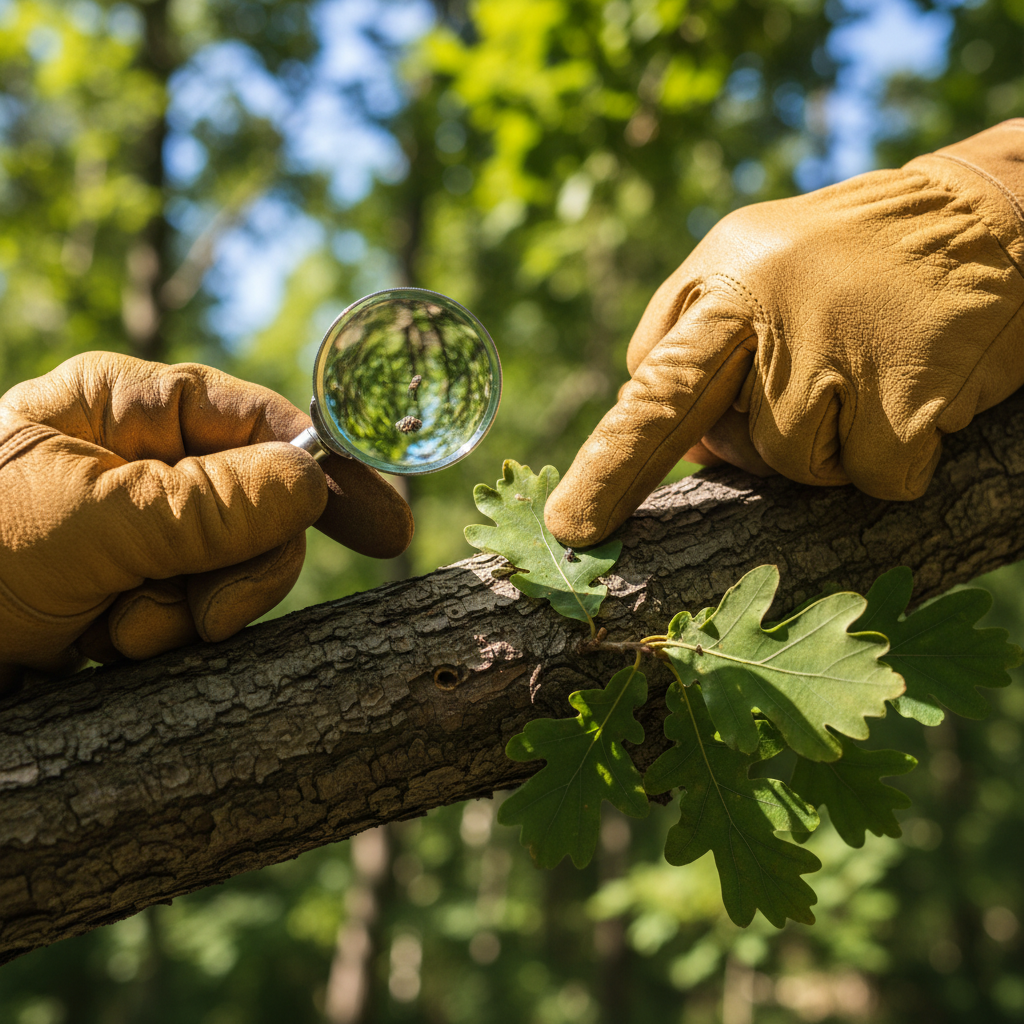
Evaluating Tree Health
Before deciding on removal, it's important to assess the overall health of the tree. Sometimes, what appears to be a hazard might be manageable with proper care. Consulting an arborist can provide valuable insights into the tree's condition and potential remedies.
When to Call a Professional
A professional arborist is trained to handle hazardous trees safely. Consider reaching out to an expert if:
- The tree is large and close to buildings or power lines.
- You notice fungi growing at the base, which can indicate decay.
- The tree has multiple dead branches or a hollow trunk.
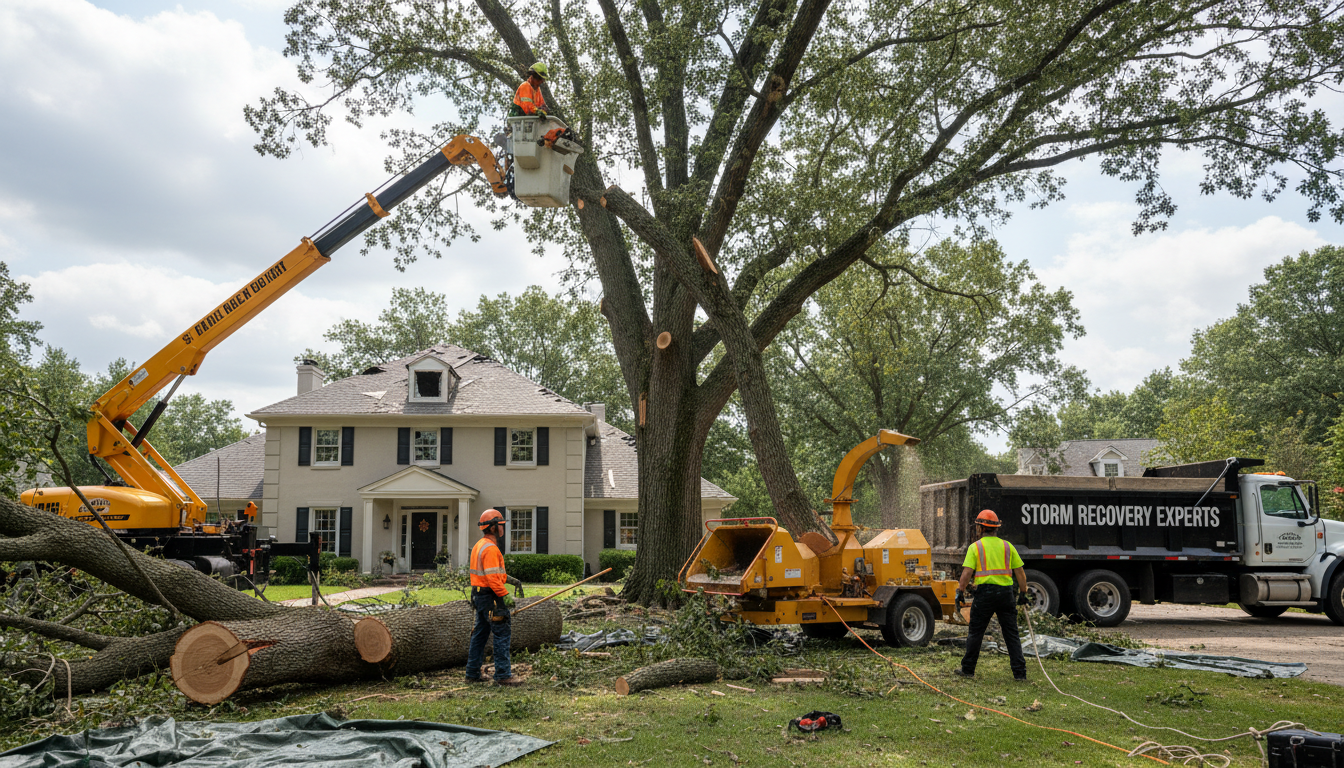
Removing Hazardous Trees
Once a tree is confirmed as hazardous, removal might be necessary. This process involves careful planning and execution to ensure safety for both the workers and the surrounding area. Professional tree removal services are equipped to handle these tasks efficiently.
Steps in Safe Tree Removal
Tree removal is a complex process that typically involves the following steps:
- Assessment: A thorough evaluation of the tree and its surroundings.
- Planning: Developing a strategy for safe removal, including necessary equipment and techniques.
- Execution: Using specialized tools to cut down the tree in sections, ensuring controlled falls.

Preventive Measures
To avoid future hazards, regular tree maintenance is essential. This includes pruning, inspecting for signs of disease, and ensuring proper watering and fertilization. Keeping trees healthy reduces the likelihood of them becoming hazards.
By staying vigilant and taking proactive steps, you can enjoy the beauty and benefits of trees without compromising on safety. If in doubt, always consult with professionals to ensure the right actions are taken.