Expert Tips for Maintaining a Healthy Landscape Year-Round


Understanding Your Landscape Needs
Maintaining a healthy landscape year-round requires understanding the unique needs of your environment. Different plants, soil types, and climate conditions all play a role in how you should care for your landscape. Start by assessing your specific landscape requirements and tailor your maintenance plan accordingly.
Soil Health and Fertilization
The foundation of a thriving landscape is healthy soil. Regularly test your soil to determine its nutrient levels and pH balance. Based on the results, apply the appropriate fertilizers to enhance growth. Consider using organic fertilizers to improve soil structure and promote beneficial microbial activity.

Fertilizing should be done seasonally, with special attention in spring and fall. These are critical growth periods for many plants, and providing nutrients during these times can significantly boost their health.
Watering Techniques
Proper watering is crucial for maintaining a lush landscape. Overwatering or underwatering can lead to plant stress and disease. Implement a watering schedule that aligns with the needs of your plants and local climate conditions.
Efficient Irrigation Systems
Consider investing in an efficient irrigation system. Drip irrigation and soaker hoses are excellent choices as they deliver water directly to the plant roots, minimizing evaporation and water waste. Regularly check your system for leaks and ensure it's functioning properly.
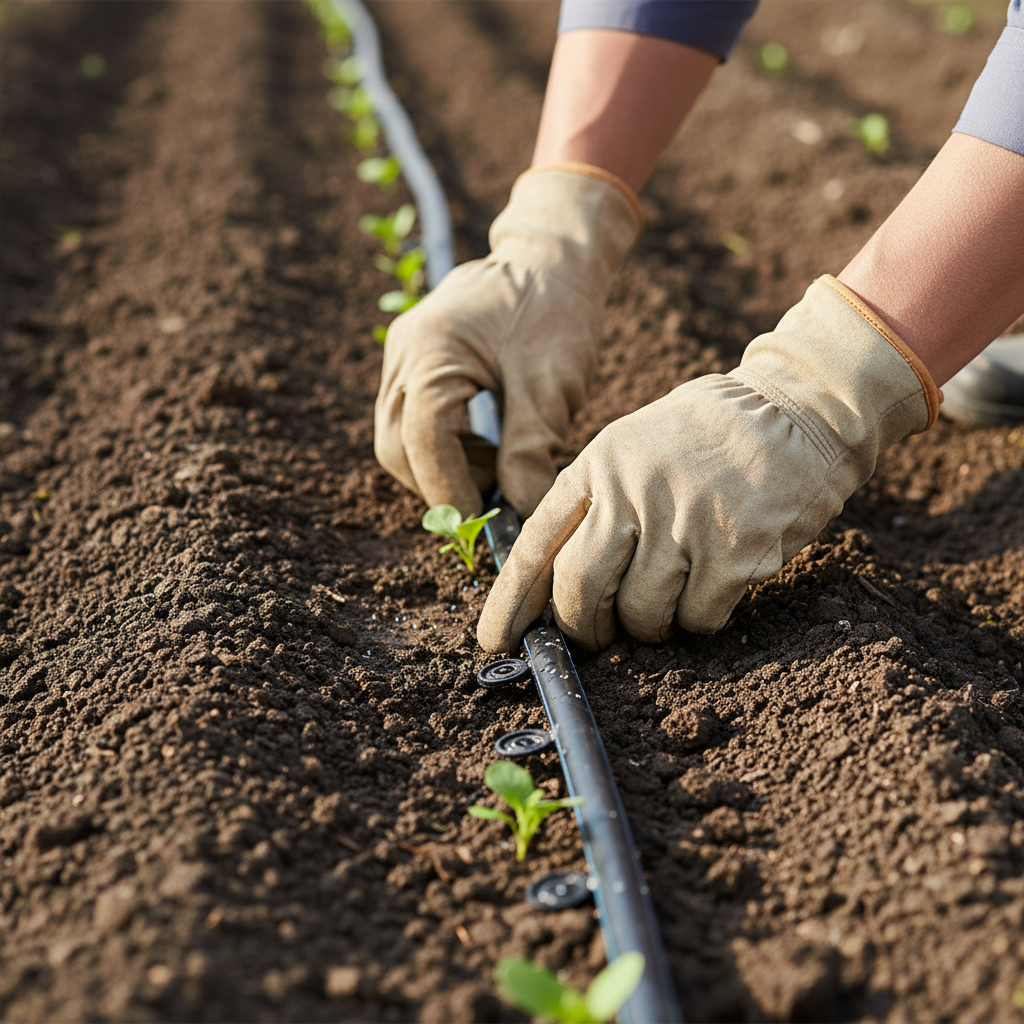
Adjust your irrigation schedule based on seasonal changes. During hotter months, plants may require more frequent watering, while in cooler months, you can reduce the frequency.
Pruning and Plant Care
Regular pruning helps maintain plant health by removing dead or diseased branches. It also encourages new growth and improves air circulation. Prune your plants at the right time for each species to avoid disrupting their natural growth cycles.
Pest and Disease Control
Monitor your landscape for signs of pests and diseases. Early detection is key to preventing infestations from spreading. Use integrated pest management (IPM) strategies, which combine biological, cultural, and chemical methods to control pests in an environmentally friendly way.

Incorporate plants that are resistant to local pests and diseases. These varieties require less intervention and are more likely to thrive in your landscape.
Seasonal Adjustments
Each season brings unique challenges and opportunities for your landscape. In spring, focus on planting and fertilizing. Summer requires vigilant watering and pest control. In fall, prepare plants for dormancy by mulching and pruning, and in winter, protect vulnerable plants from frost.
By understanding the specific needs of your landscape and adjusting your care routine throughout the year, you can maintain a beautiful and healthy outdoor space. Stay proactive, and your efforts will be rewarded with a thriving landscape that enhances your property's value and beauty year-round.