Common Misconceptions About Tree Removal: Debunking the Myths


Understanding Tree Removal
Tree removal is a necessary task for maintaining the health and safety of your property. However, it is often surrounded by misconceptions that can lead to confusion and poor decision-making. In this post, we aim to debunk some of the most common myths about tree removal to help you make informed choices.
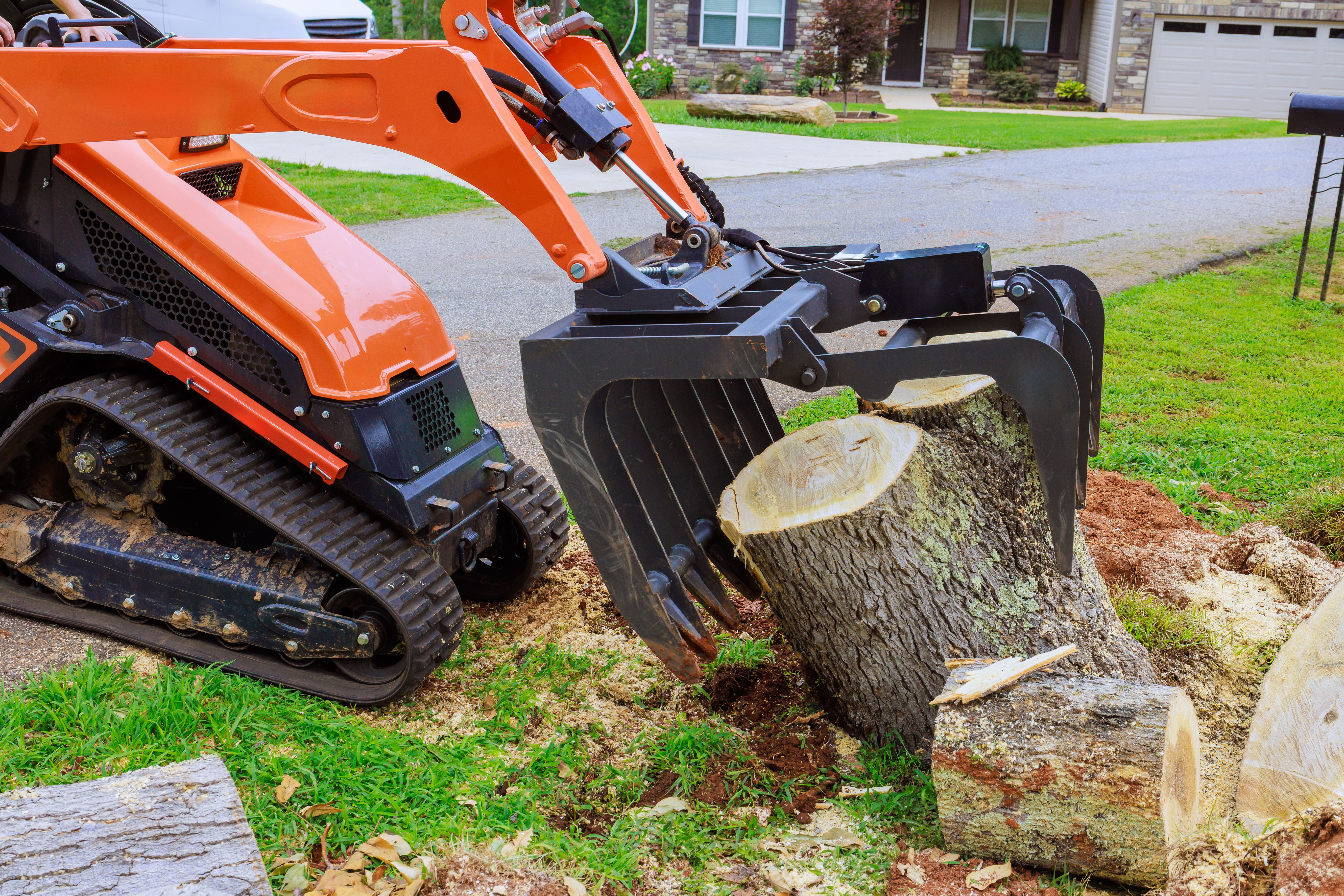
Myth 1: Tree Removal is Always Bad for the Environment
One common belief is that removing trees is inherently harmful to the environment. While trees play a vital role in ecosystems, there are times when removal is beneficial. For instance, removing diseased or dead trees can prevent the spread of pests and diseases to healthy trees. Additionally, strategic tree removal can enhance the growth of surrounding vegetation.
In urban settings, removing a hazardous tree can prevent potential damage to property and ensure public safety. It's essential to consult with arborists to understand the environmental impact and benefits of tree removal in specific situations.
Myth 2: Any Tree Can Be Removed at Any Time
Another misconception is that trees can be removed whenever it suits the property owner. In reality, tree removal is often regulated by local laws and ordinances. Many areas have guidelines to protect certain species, maintain green spaces, and ensure ecological balance.
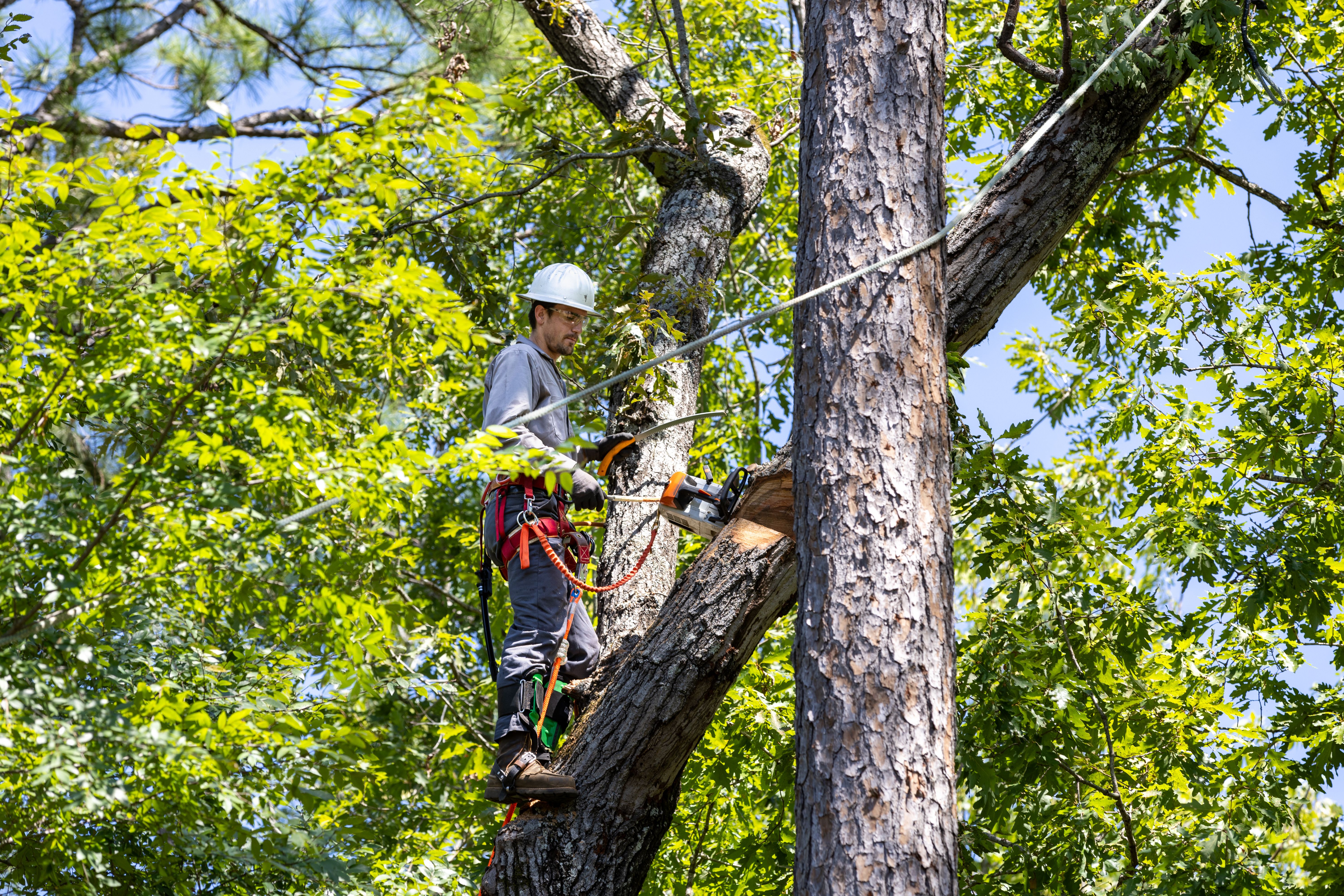
Before proceeding with tree removal, it's crucial to check local regulations and potentially obtain necessary permits. Hiring a professional tree service can help navigate these legal requirements and ensure compliance.
Myth 3: DIY Tree Removal is Safe and Cost-Effective
Some homeowners believe they can save money by removing trees themselves. However, DIY tree removal can be dangerous and costly if not done correctly. Trees can be unpredictable when cut, leading to injury or property damage. Additionally, improper removal can result in fines if local regulations are not followed.
Hiring professional tree removal services ensures safety, efficiency, and adherence to legal requirements. Professionals have the expertise and equipment to handle the job effectively, potentially saving you money in the long run by avoiding mistakes.
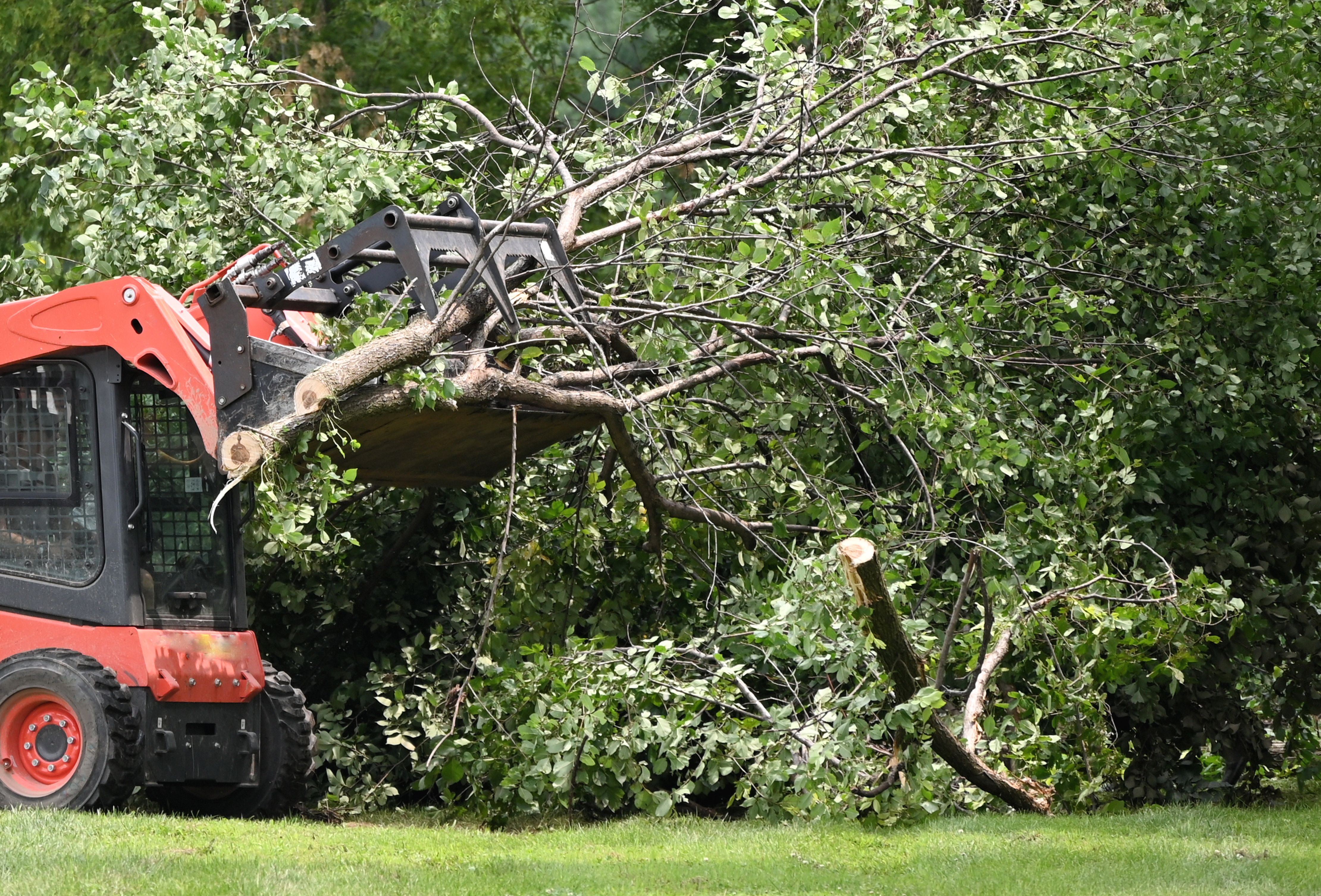
Myth 4: All Tree Stumps Should Be Removed
While some people believe that all tree stumps must be removed, this isn't always necessary. Stump removal can be beneficial for aesthetic reasons or to prevent new growth. However, in some cases, stumps can be left to naturally decompose, contributing to soil health and providing habitat for wildlife.
It's essential to assess the specific situation and determine whether stump removal aligns with your landscaping goals. Consulting with a professional can provide clarity on the best course of action for your property.
Conclusion
Understanding the realities of tree removal can help dispel myths and lead to more informed decisions. By recognizing the importance of professional guidance and local regulations, you can ensure that tree removal is conducted safely and responsibly. If you have questions about tree removal, consider reaching out to a certified arborist for expert advice.