A Beginner's Guide to DIY Landscaping Projects


Getting Started with DIY Landscaping
Embarking on a DIY landscaping project can be an exciting endeavor. It offers the opportunity to enhance your outdoor space, express creativity, and potentially increase your property's value. However, if you're new to landscaping, knowing where to start can be daunting. This guide will walk you through the basics to help you create a beautiful landscape without professional help.
Planning Your Landscape Design
The first step in any successful landscaping project is planning. Begin by assessing your current outdoor space. Take note of existing features such as trees, slopes, and structures. Consider what you want to achieve—do you want a lush garden, a serene patio, or a functional area for entertaining?
Sketch out a rough plan of your yard. Include elements like paths, flower beds, and water features. Remember to account for the sunlight and shade in different parts of your yard, as these factors will influence plant selection.
Choosing the Right Plants
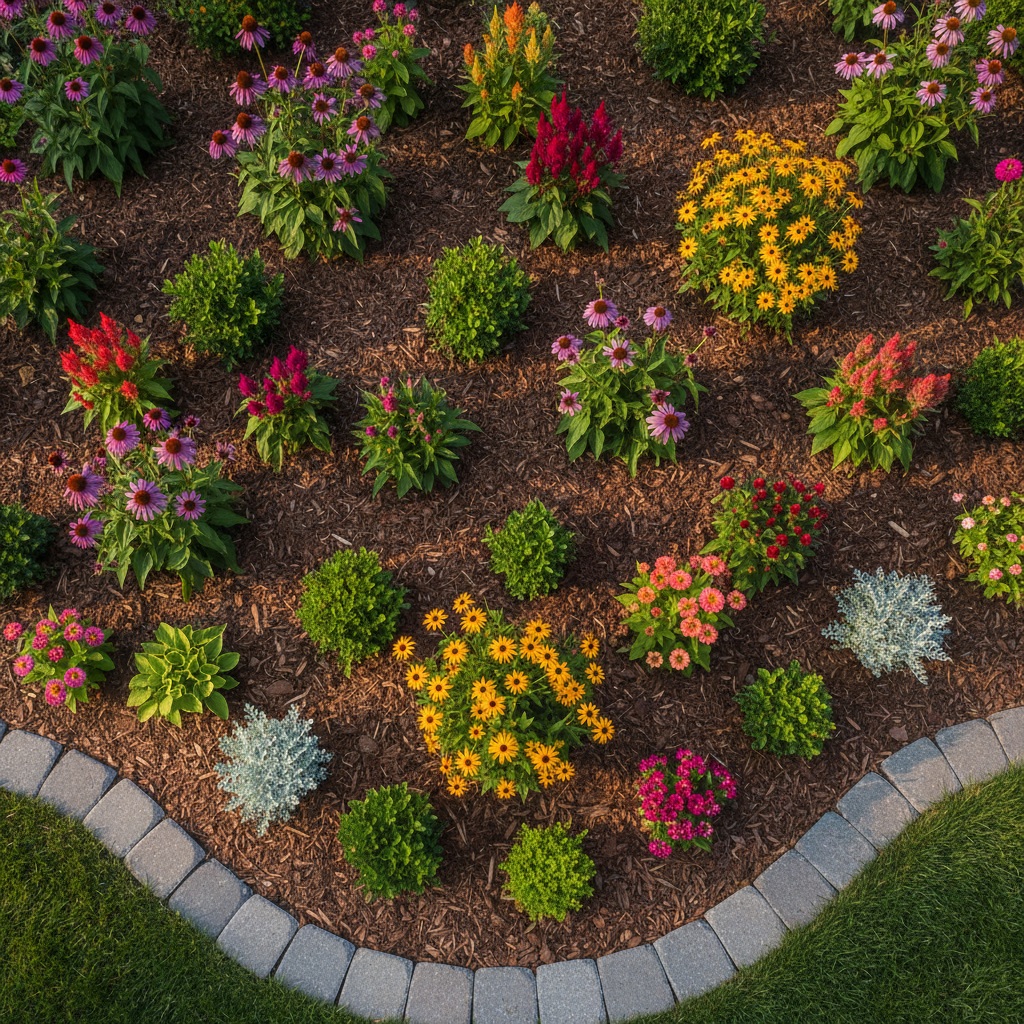
Selecting the right plants is crucial for a thriving landscape. Choose plants that are well-suited to your climate and soil type. Native plants are often a great choice as they require less maintenance and are better adapted to local conditions.
Consider the growth habits of the plants. Mix different types, such as evergreens for year-round greenery and perennials for seasonal color. Use a combination of heights, textures, and colors to create visual interest.
Building Paths and Borders
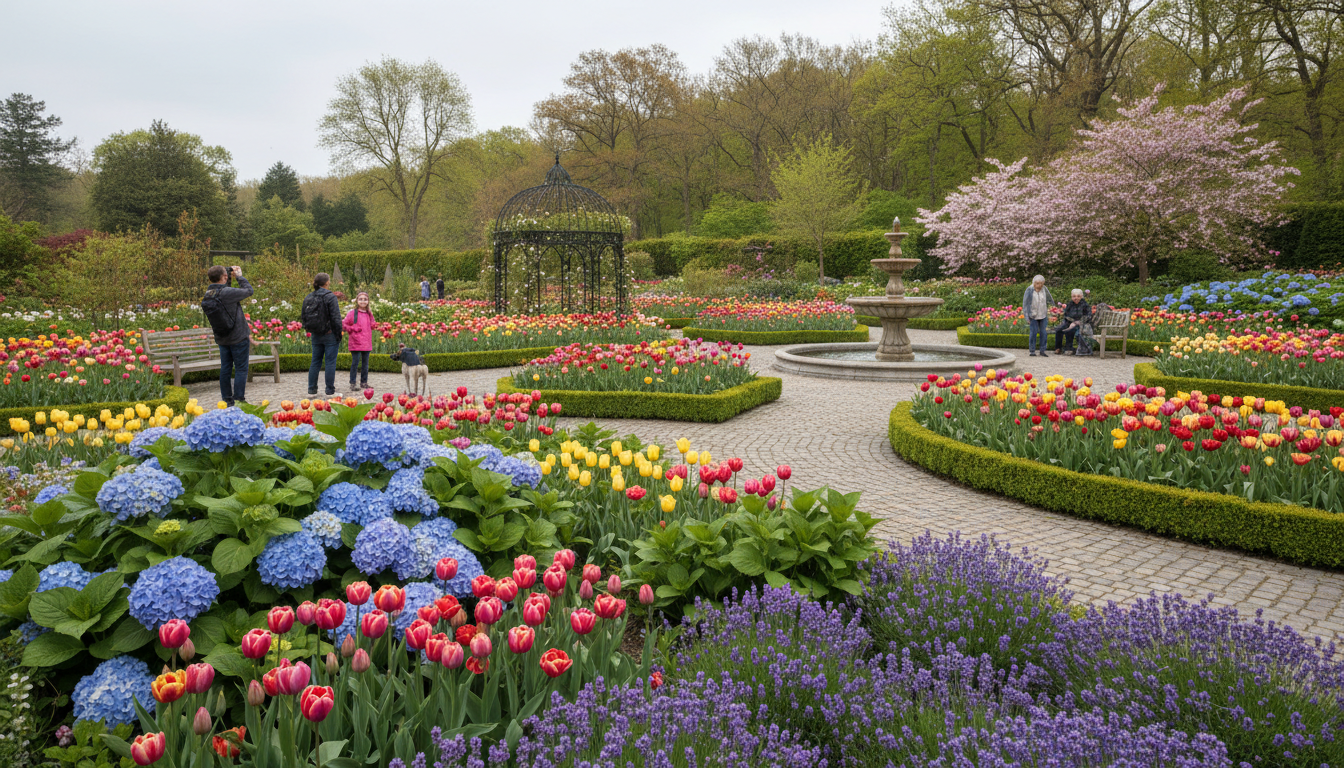
Paths and borders add structure and definition to your landscape. For paths, consider materials like gravel, stone, or brick. They should be durable and complement the style of your home. Borders can be created using plants, stones, or wood to delineate different areas.
When laying paths, ensure they are wide enough for comfortable walking. Use curves rather than straight lines to create a more natural look. If using stone or brick, make sure each piece is level to avoid tripping hazards.
Installing Water Features
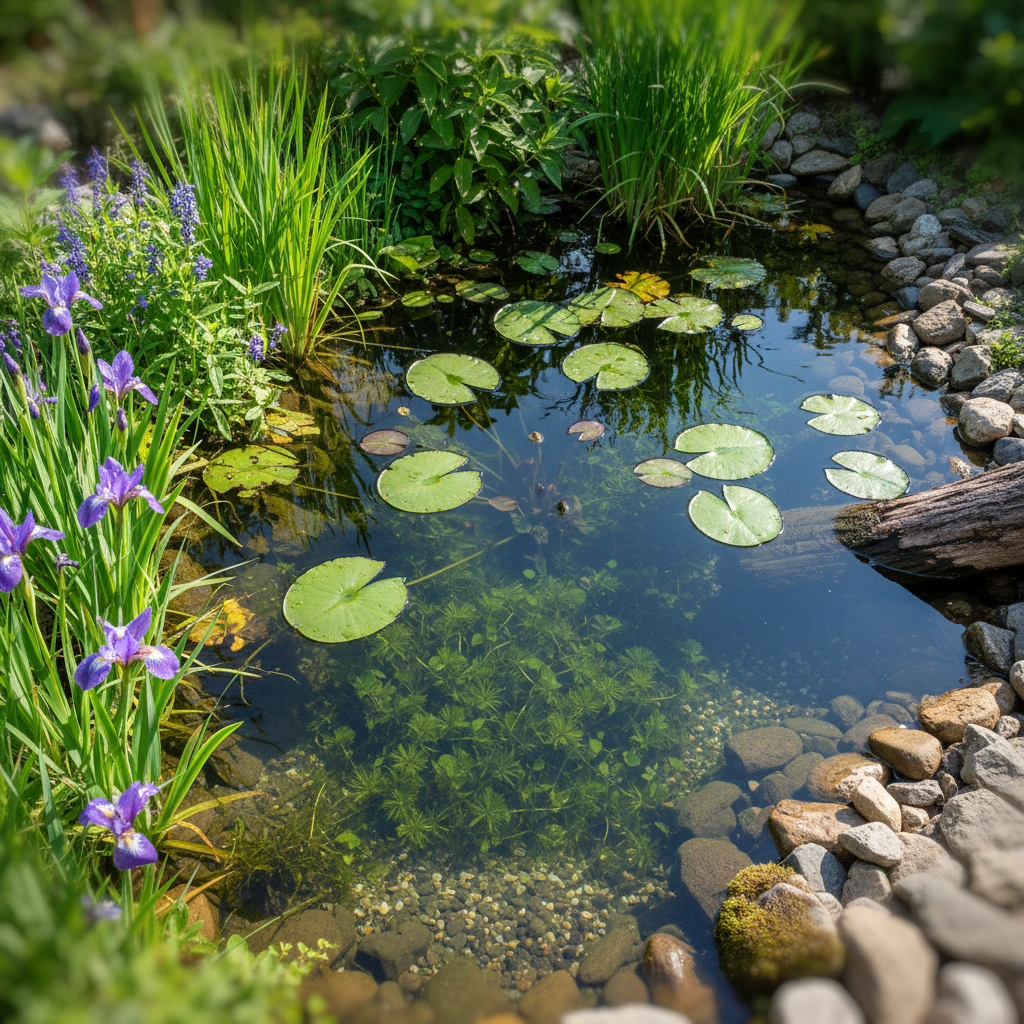
Water features can add tranquility and a focal point to your landscape. Whether it's a simple birdbath or an elaborate pond, water elements can attract wildlife and provide a soothing ambiance.
When installing water features, consider the maintenance they require. Ensure there is a reliable water source nearby and think about how you'll keep the feature clean. Solar-powered pumps can be an eco-friendly option for fountains and ponds.
Maintaining Your Landscape
Once your landscape is complete, regular maintenance is key to keeping it looking its best. This includes watering, pruning, weeding, and fertilizing. Develop a routine that suits the needs of your plants and the changing seasons.
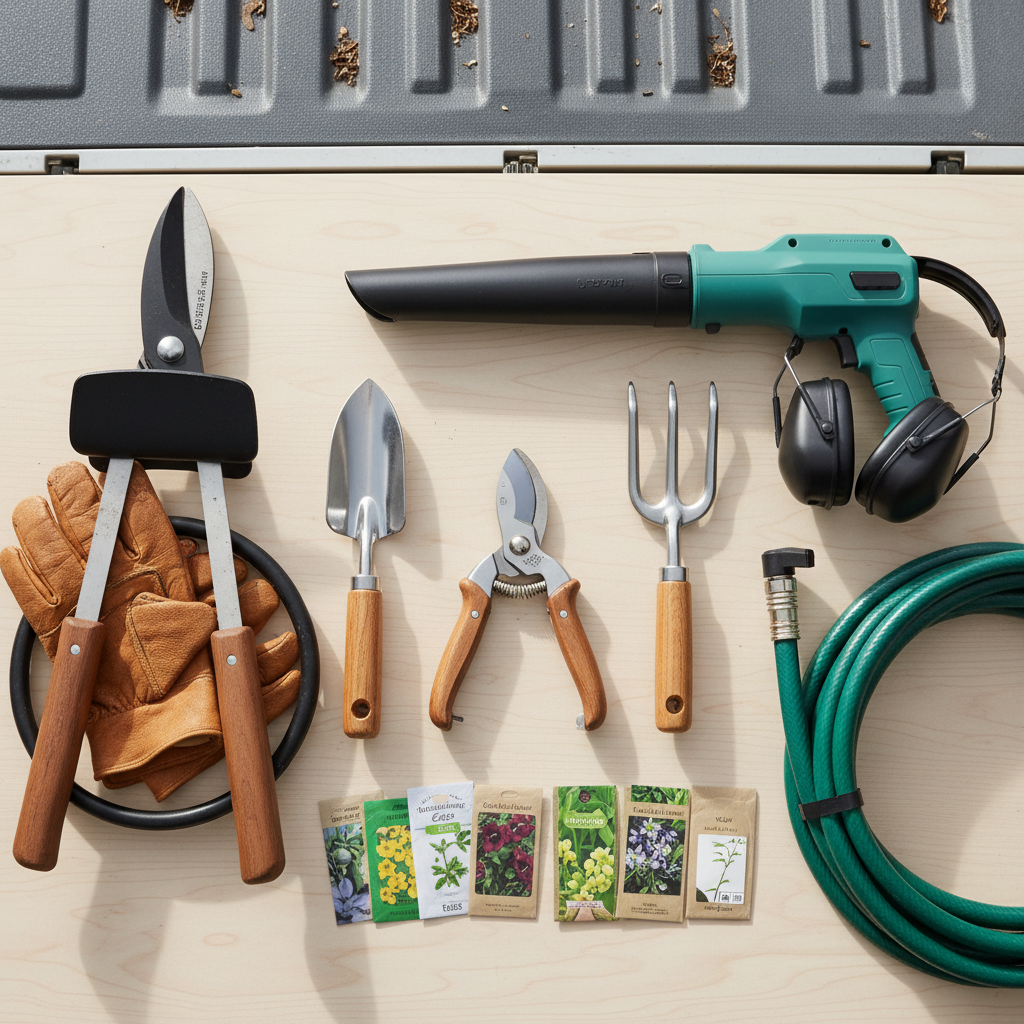
Invest in quality tools like pruners, rakes, and hoses to make maintenance easier. Consider using mulch to retain soil moisture and suppress weeds.
By following these steps, you can transform your outdoor area into a beautiful and functional space. Enjoy the process and take pride in your DIY achievements!